 Travel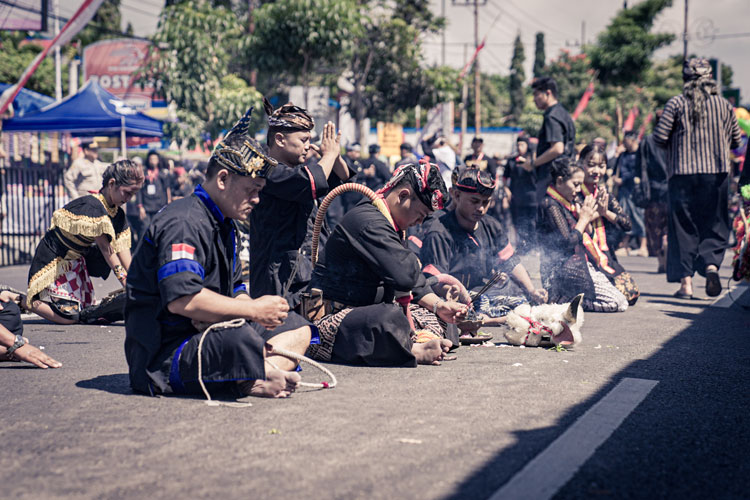
TIMES JAZIRAH, MALANG – The rumble of traditional music and a distinctive aroma begin to fill the air as the iconic Bantengan music plays. The audience cheers and gathers around the performance area. The sharp gaze of the bull mask, with its strong mystical aura, makes it clear that this dance is more than just a performance.
Bantengan is an authentic cultural and artistic tradition unique to Malang. It is not just a performance—it is the breath of history, the pulse of spirituality, and a burst of creativity that lives in every step of its dancers.
Wrapped in a magical atmosphere and a stirring rhythm, this art form continues to endure, challenging the ever-modernizing times.
Where the Name was Taken
Bantengan is a form of traditional dance performance rooted in Indonesian cultural heritage. The name derives from banteng, meaning bull, which symbolizes bravery, resistance, and steadfastness. This unique art form thrives in regions such as Malang, Mojokerto, and Batu.
Originally emerging from martial arts traditions in rural villages, Bantengan gradually evolved into a cultural performance that entertains and unites communities.
In each show, two dancers bring to life the powerful image of a giant bull through bold, energetic movements—often accompanied by moments of trance that electrify the atmosphere.
 A performer clad in a black bull costume mimics the animal movements. (Photo: Arsip Bantengan Nuswantara)
For the local people, Bantengan is far more than just entertainment. It is a sacred ancestral legacy, a symbol of resistance, and a deeply respected spiritual expression.
"We need to look beyond the movement because Bantengan is more than just a dance—it is a powerful vehicle for cultural communication," said Anjani Arum, a member of the Nuswantara Group.
The Possession Begin
This dance is deeply infused with mystical elements. The magical aspect of Bantengan serves as a bridge between artistic tradition and spiritual belief.
Through trance rituals and symbolic movements, Bantengan becomes a medium where the physical and spiritual realms intertwine.Thus then preserving ancestral wisdom and the sacred harmony of life.
The procession begins with prayers and a ruwatan ritual, symbolizing a plea for safety and spiritual protection. This followed by a dynamic bull dance, performed to the rhythm of traditional gamelan music.
A key highlight of the performance is the trance moment, where performers—or even members of the audience—are believed to be possessed by spirits, displaying supernatural feats such as immunity to sharp objects or consuming unusual items.
These intense episodes are carefully guided and controlled by a pawang (spiritual handler). The performance is often interspersed with martial arts movements and other cultural entertainments, culminating in a closing ritual to awaken those in trance and a collective expression of gratitude.
Philosophy Embedded in Every Detail
The ornaments in Bantengan are not merely decorative elements. They carry deep philosophical and aesthetic meanings.
The bull’s head, intricately carved from selected woods such as waru, jackfruit, or dadap, serves as the focal point of the performance, symbolizing the strength, spirit, and distinct character of the bull figure.
Each material is chosen not only for its durability but also for its spiritual resonance, reinforcing the powerful presence of the Banteng in both form and essence.
The large horns, shaped to resemble those of a bull, buffalo, or ox, amplify the fierce and majestic impression of the Banteng figure. Its body is crafted from woven bamboo frames—flexible yet sturdy—though in some regions, a simple black cloth is used to connect the head and hind legs.
A klontong (bell) hanging from the neck creates a rhythmic chime, echoed by the jingling of gongseng on the feet as the bull moves wildly in dance.
The Tradition that Continue to Grow
Bantengan continues to grow rapidly, with over 1,300 performance groups spread across Malang , Mojokerto and Batu. Malang alone is home to around 980 groups, while Malang City and Batu City have 243 and 85 registered groups respectively.
Several cultural centers, such as Padepokan Galogo Djati in Tumpang, have played a vital role in preserving this tradition since 1993. Beyond crafting bull head replicas, these padepokan actively organize Bantengan performances at cultural festivals and traditional ceremonies.
With the growing number of groups and studios, Bantengan has evolved beyond a mere art form—it has become a shared spirit and cultural force deeply embedded in the identity of the local community.
This art form can also be seamlessly integrated into tourism through cultural events, attracting both domestic and international visitors seeking authentic cultural experiences.
Through this approach, Bantengan serves not only as a cultural heritage but also as an economic asset, offering opportunities for local creative communities to grow and thrive. It becomes a living tradition that not only preserves local values but also empowers communities by turning cultural expression into sustainable livelihood. (*)
Reporter: Muhammad Kamal Fasya
Artikel ini sebelumnya sudah tayang di TIMES Indonesia dengan judul: Between Myth and Motion The Art of Bantengan
| Writer | : TIMES Magang 2025 |
| Editor | : Khodijah Siti |




















 TIMES Jazirah