 Life Style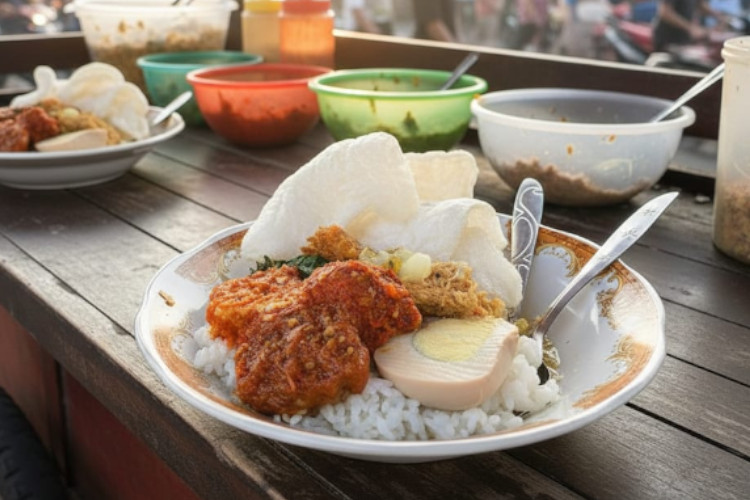
TIMES JAZIRAH, BANYUWANGI – In Banyuwangi, food follows the rhythm of the day. Certain dishes belong to dawn and early mornings, while others reveal themselves as the city grows warmer and livelier. Tracing local flavors from sunrise to nightfall offers travelers a natural way to experience Banyuwangi’s gastronomic landscape — one dish at a time.
Early Morning: Sego Cawuk
As Banyuwangi slowly wakes up, Sego Cawuk becomes the first flavor of the day. This traditional breakfast dish is sold in small morning stalls near traditional markets and old residential neighborhoods. Vendors usually begin serving before sunrise, offering warm rice topped with pindang broth, shredded young coconut, and grilled corn.
Sego Cawuk is more than just breakfast; it is a morning ritual. Locals stop by on their way to work or the market, enjoying its gentle balance of savory and slightly sweet flavors. By late morning, the dish disappears entirely, making early hours the only window for travelers who wish to taste this authentic start to the Banyuwangi day.
Late Morning to Midday: Rujak Soto
When markets are at their liveliest, Rujak Soto takes center stage. This unique dish is most commonly found in traditional markets and long-established warungs across Banyuwangi town. It combines fresh vegetable rujak with a rich, aromatic soto broth, creating a surprising yet harmonious blend of flavors.
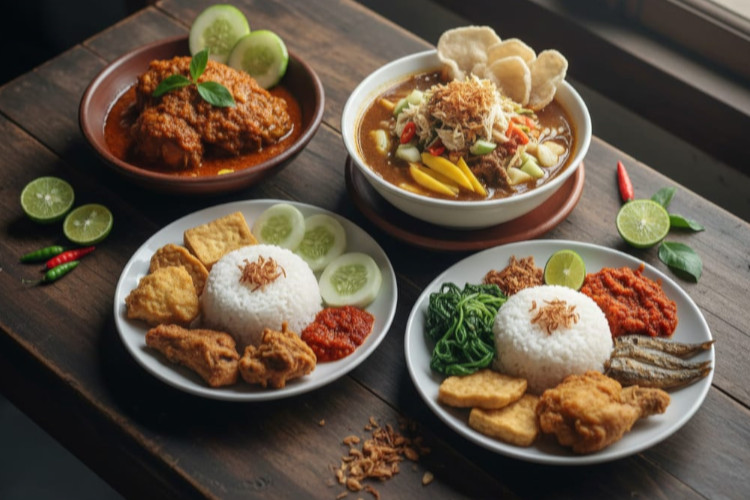 Ayam Kesrut, Rujak Soto, and Sego Tempong, the true favors of Banyuwangi. (Photo: TIMES AI Academy)
Rujak Soto is often enjoyed between breakfast and lunch, making it a popular choice for shoppers, vendors, and office workers. Its layered taste reflects Banyuwangi’s culinary creativity, where contrasting elements are embraced rather than avoided.
Afternoon to Early Evening: Ayam Kesrut
As the day moves into a quieter pace, Ayam Kesrut begins to appear in home-style eateries scattered across suburban areas and nearby villages. This light chicken soup is flavored with local herbs, chilies, and sour notes from belimbing wuluh, giving it a refreshing yet comforting taste.
Ayam Kesrut represents the simplicity of village cooking, where freshness matters more than complexity. Often served in modest warungs or family-run kitchens, it is best enjoyed in the afternoon or early evening. For culinary travelers, seeking out Ayam Kesrut means venturing beyond the city center into the calmer rural side of Banyuwangi.
Evening: Sego Tempong
As night approaches and the streets grow lively, Sego Tempong becomes the star of Banyuwangi’s dinner scene. This iconic dish is widely available in street-side stalls and small eateries throughout the city. Served with raw chili sambal, vegetables, tofu, tempeh, and salted fish, it delivers an intense burst of heat.
Sego Tempong is known for its bold spiciness, which locals affectionately describe as a “slap” of flavor. It is a favorite choice after a long day, when appetites are strong and flavors are expected to be powerful. For many visitors, Sego Tempong becomes the most memorable taste of Banyuwangi’s nightlife.
Special Occasions, Often at Night: Pecel Pitik & Pecel Rawon
Unlike everyday street food, Pecel Pitik and Pecel Rawon belong to a more ceremonial and cultural setting. Pecel Pitik, in particular, is deeply rooted in the traditions of the Osing ethnic community and is commonly prepared for rituals, village gatherings, and special events.
These dishes are typically enjoyed in the evening, either during cultural ceremonies or at heritage-focused restaurants that preserve traditional recipes. Pecel Rawon, a fusion of pecel vegetables and rawon’s dark, savory broth, offers a more accessible yet equally meaningful experience. Together, they represent Banyuwangi’s culinary heritage — food that carries history, identity, and collective memory.
Eating by the Clock, Living by Tradition
From early-morning market stalls to nighttime warungs and ceremonial tables, Banyuwangi’s gastronomy unfolds in harmony with time. Each dish belongs to a specific moment of the day, shaping how locals eat and how visitors experience the region.
Following this culinary timeline allows travelers to understand Banyuwangi beyond its landscapes. Here, food is not rushed or detached from daily life. It is lived, shared, and remembered — from sunrise to supper. (*)
Artikel ini sebelumnya sudah tayang di TIMES Indonesia dengan judul: From Sunrise to Supper: A Day of Eating Through Banyuwangi
| Writer | : Khodijah Siti |
| Editor | : Khodijah Siti |






















 TIMES Jazirah