
Local Semur Udang Strengthens Hajj 2026 Pilgrim Comfort
Hajj 2026 preparations in West Nusa Tenggara feature spicy semur udang, blending local culinary traditions with nutritious meals for Indonesian pilgrims.
MAKKAH – Indonesia’s Hajj 2026 preparations are not only focused on transportation and logistics, but also on ensuring pilgrims experience comfort through familiar regional cuisine.
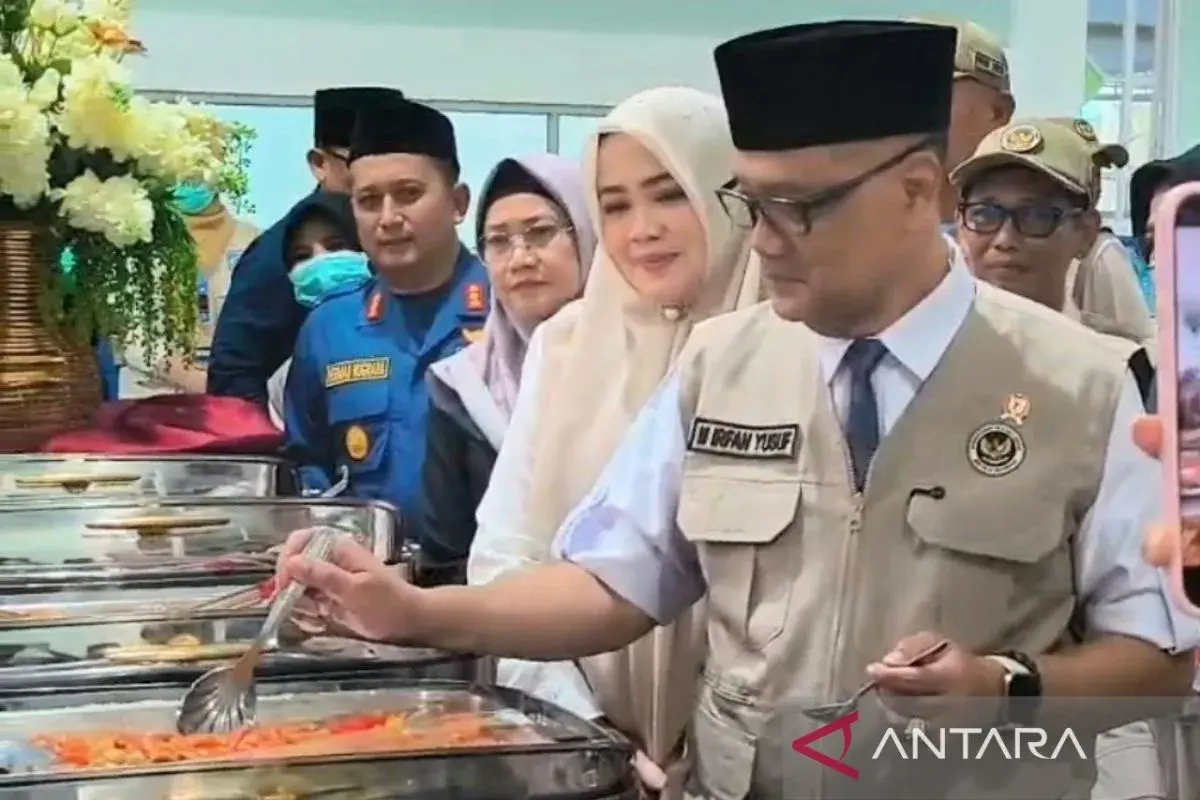
During a recent inspection of the Hajj Dormitory in West Nusa Tenggara (NTB), Minister of Hajj and Umrah Mochamad Irfan Yusuf, known as Gus Irfan, personally sampled one of the meals prepared for Lombok embarkation pilgrims: semur udang. It is a savory shrimp-based dish adapted to local taste.
When the Deputy Minister tried to taste the food his first reaction was memorable. “It’s a bit spicy,” he said while smiling.
Semur udang is traditionally made using shrimp simmered in a rich sauce that commonly includes garlic, shallots, sweet soy sauce, onions, pepper, tomatoes, and regional spices. In NTB, however, the dish takes on a bolder identity because local culinary traditions strongly favor spicy flavors.
Additional chili peppers, sambal, and aromatic spices are often incorporated, creating a more intense profile than semur versions from other Indonesian regions.
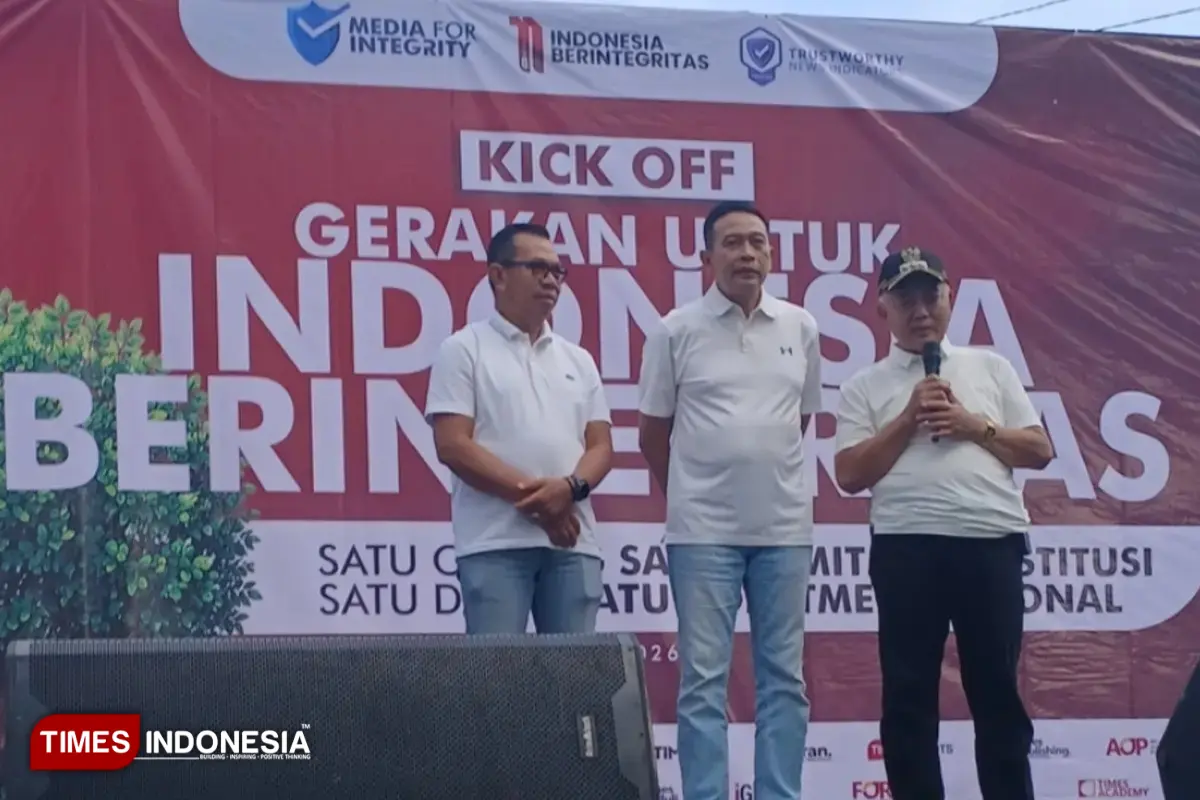
West Nusa Tenggara, particularly Lombok and Sumbawa, is well known for spicy dishes such as ayam taliwang and plecing kangkung, making chili a central part of daily meals.
Vice Governor Indah Dhamayanti Putri explained this local preference during the minister’s visit, saying that the locals love spicy food. “People here really do eat spicy food," she uttered (9/5/2026). She even joked that regional inflation is often influenced by chili prices due to high consumption.
Despite its heat, the semur udang menu was carefully adjusted for Hajj pilgrims. Officials from the NTB Hajj administration emphasized that all meals undergo health screenings to ensure they remain nutritious and safe, especially for elderly travelers.
Lalu Muhamad Amin, head of the regional Hajj office, noted that the food was tailored to local taste while maintaining proper health standards.
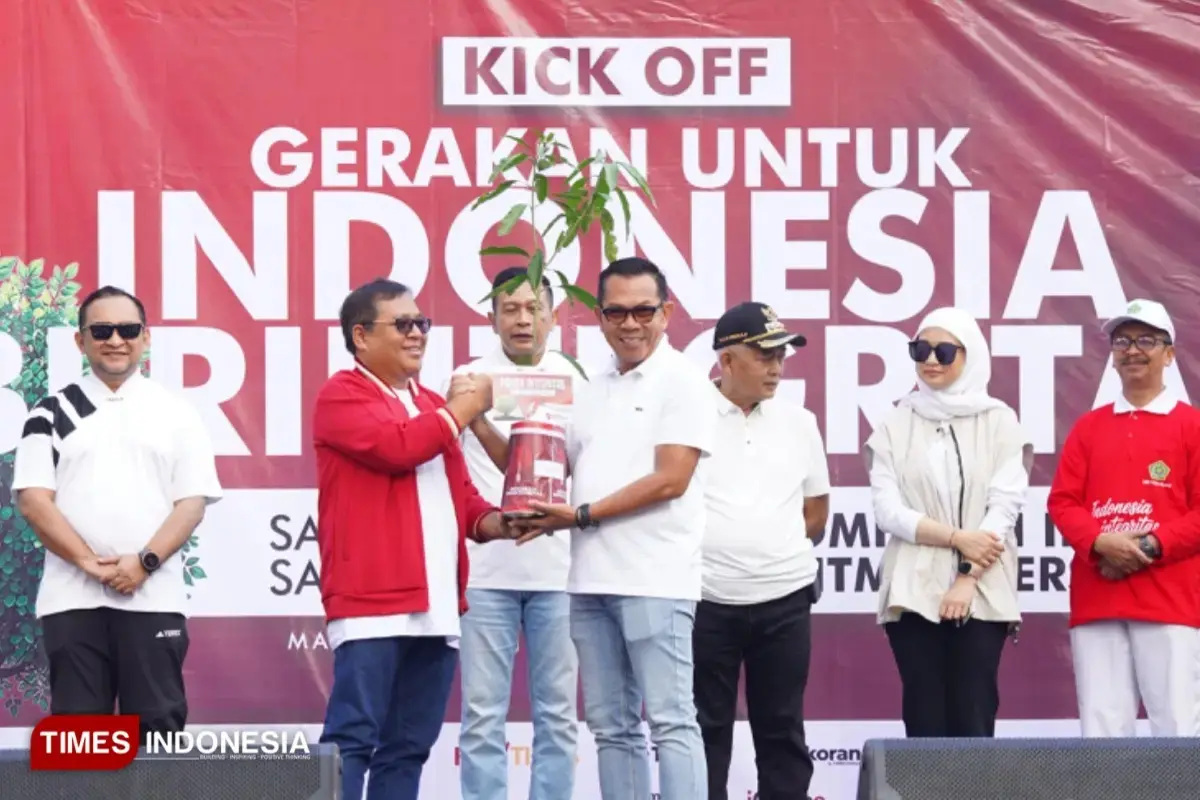
The inclusion of semur udang reflects a broader Hajj 2026 strategy: blending local culinary familiarity with national service excellence. For many pilgrims, familiar food can reduce travel anxiety and improve overall comfort before embarking on the spiritually significant journey to Saudi Arabia.
By serving meals that represent local identity, Hajj organizers in NTB are offering pilgrims more than nourishment—they are providing a taste of home.
This thoughtful approach demonstrates how Hajj 2026 services aim to strengthen physical readiness while preserving cultural connection, ensuring pilgrims depart with both comfort and confidence. (*)
Simak breaking news dan berita pilihan TIMES Indonesia langsung dari WhatsApp-mu! Klik 👉 Channel TIMES Indonesia. Pastikan WhatsApp kamu sudah terpasang.
Berita ini juga tayang di portal nasional
Baca versi lengkapnya di jaringan nasional kami.